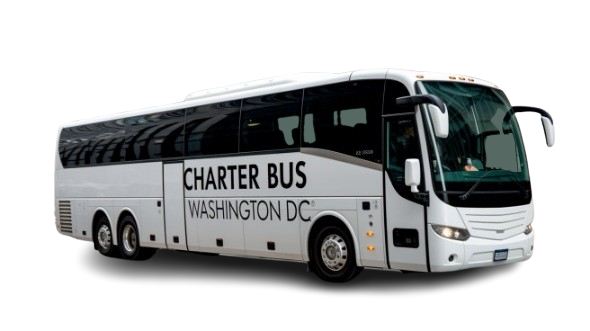
Hosting a conference in Washington DC requires coordinating attendee transport from various hotels to the show floor each morning. The Metro helps, but it does not run on your agenda, and a thousand badge-holders pouring out of one station does not move quickly. A dedicated shuttle loop efficiently moves attendees from hotels to sessions without parking hassles. To check dates and group sizes, call 227-263-8000 to book your charter bus rental.
Shuttle service eases conference transportation issues
A national conference in the District rarely fits in one building. Attendees stay in room blocks spread from downtown to Woodley Park, and the main hall sits where street parking is either metered, permit-only, or gone entirely. Left on their own, people show up late, in waves, and stressed before the first keynote. A shuttle program solves this problem.
Transporting attendees from hotels to the show floor requires precise timing. The morning rush is challenging, as everyone must be seated for the opening session within a 45-minute window. A planned loop with the right number of vehicles handles that surge, then runs lighter through the day for breakouts, off-site dinners, and the late returns. This guide covers the main downtown venues, how to size your fleet, what it costs, and a sample morning that actually works.
For events outside the District, see our detailed guides on those routes. For resort-style events off the Metro grid, see our National Harbor Gaylord conference shuttle guide. For the tech corridor and airport-area staging, read the Dulles and Tysons corporate shuttle service guide. And for offsites and December parties, see our corporate retreat and holiday party transportation guide.
Key venues for large DC conferences
These three venues anchor most large DC conferences. The first is the show floor, the second is the headquarters hotel attached to it, and the third is a popular off-site banquet and overflow property. Addresses and phone numbers are listed so your planning team can reach each events desk directly.
The District’s flagship hall covers several city blocks in the Mount Vernon Square area. There is no attendee parking that can absorb a large show, and the surrounding streets are busy at rush hour, so a shuttle loop from the room-block hotels is the standard way to fill the morning sessions. Coaches stage along the perimeter, which means you must coordinate drop-off points with the venue in advance.
The headquarters hotel connects to the convention center by an underground concourse, so guests staying here can walk to the show floor. The shuttle role for this property is the reverse trip, moving attendees from outlying hotels to the Marquis for evening receptions and committee dinners, then back out late. Its central block fills fast, which is why staging a bus needs a coordinated curb time.
A large ballroom hotel in Woodley Park, often used as an overflow block or a gala site when the main hall is booked. It sits about three miles uptown from the convention center, far enough that walking is out and a Metro transfer eats time, so a direct shuttle is the clean answer. Its circular drive gives a bus room to load, which makes it an easy morning pickup point.
Reserve your shuttle fleet early for large events
Book your shuttle fleet as soon as room blocks are confirmed, typically four to six months in advance for large shows. DC runs busy from spring through early summer and again in the fall, when association meetings and government-season events compete for the same coaches. Lock the vehicles before that window tightens.
The main mistake is sizing the fleet for average loads instead of the morning peak. A loop that handles midday traffic with one bus will fall apart at 7:30 a.m. when everyone needs the same departure. Plan the morning surge first, then scale back for the rest of the day. The second common miss is treating drop-off as an afterthought. The convention center curb is shared by every group in the building, so you need an assigned staging zone and a posted schedule, or your buses end up circling the block. The third is forgetting the late return. Attendees at an evening reception will not leave on a single early bus, so build a last run that covers the stragglers.
Selecting the right fleet for your conference needs
Choose your fleet based on attendee numbers per cycle and hotel distances. A continuous loop on a short downtown route favors a few larger coaches that clear the lobby fast, while a longer run to an uptown property like the Omni Shoreham can use a midsize vehicle that turns easily.
- For a high-volume loop between downtown hotels and the show floor, a 56 passenger charter bus clears the most attendees per cycle and keeps the morning line short.
- For a mid-volume route or an uptown hotel with a tighter drive, a 35 passenger minibus maneuvers DC streets more easily and still moves a full breakout group.
- For VIP speakers, sponsors, or small executive runs between a hotel and a private dinner, a sprinter van with driver handles the small, high-touch trips.
If you are not sure how many vehicles a peak cycle needs, our team plans conference loops every week and can model the morning surge against your room blocks. See the full corporate bus rental options for the DC area.
Understanding shuttle billing and scheduling
Conference shuttles are usually billed by the hour with a daily minimum, because a loop runs in bursts across a long day rather than as one continuous trip. As a rough example, running a single charter bus on a morning-and-evening loop for an eight hour billed day lands in the middle of the ranges below, and a two-bus peak fleet roughly doubles that. A driver gratuity of 10 to 20 percent is standard and is not always built into the quote.
| Vehicle | Per Hour | Per Day |
|---|---|---|
| 25 to 35 Passenger Minibus | $150 – $450+ | $1,610 – $3,465 |
| 50 to 56 Passenger Charter Bus | $180 – $500+ | $1,800 – $3,800 |
Prices can vary significantly by location. Due to the impact of COVID-19 and inflation, all rental prices shown are past estimates. Actual pricing may be significantly higher depending on availability and location. Multi-day shows often get a better effective rate than a single day. Full ranges for every vehicle are on the charter bus prices page.
Coordinating shuttle timing for morning conference arrivals
Here is how two coaches can cover the morning push from two room-block hotels to the convention center, with a single keynote start everyone has to make. The goal is to seat the room before the doors close, not to fill every seat on every run.
- 6:45 a.m., both buses stage at their assigned hotel curbs and begin loading.
- 7:00 a.m., first departures leave for the convention center on staggered routes.
- 7:25 a.m., first drop-offs at the assigned staging zone, then buses turn back for a second cycle.
- 8:10 a.m., final morning pickups clear the lobbies ahead of the keynote.
- 5:30 p.m. and 8:30 p.m., return runs cover the end of sessions and the evening reception.
If your show adds an off-site gala, build a separate evening leg and confirm the venue can stage a full-size coach. Sharing one bus across two nearby hotels works for a smaller event, as long as the route and curb times are set before the day so the driver is not guessing.
Contact us to plan your conference shuttle service
Once you know your show floor, your room blocks, and a rough attendee count, the routing is straightforward to plan. Charter Bus Washington DC can model your morning peak, size the fleet, and hold the vehicles before the busy season fills up. Call 227-263-8000 or use the online quote tool to book your charter bus rental and keep every attendee on schedule.